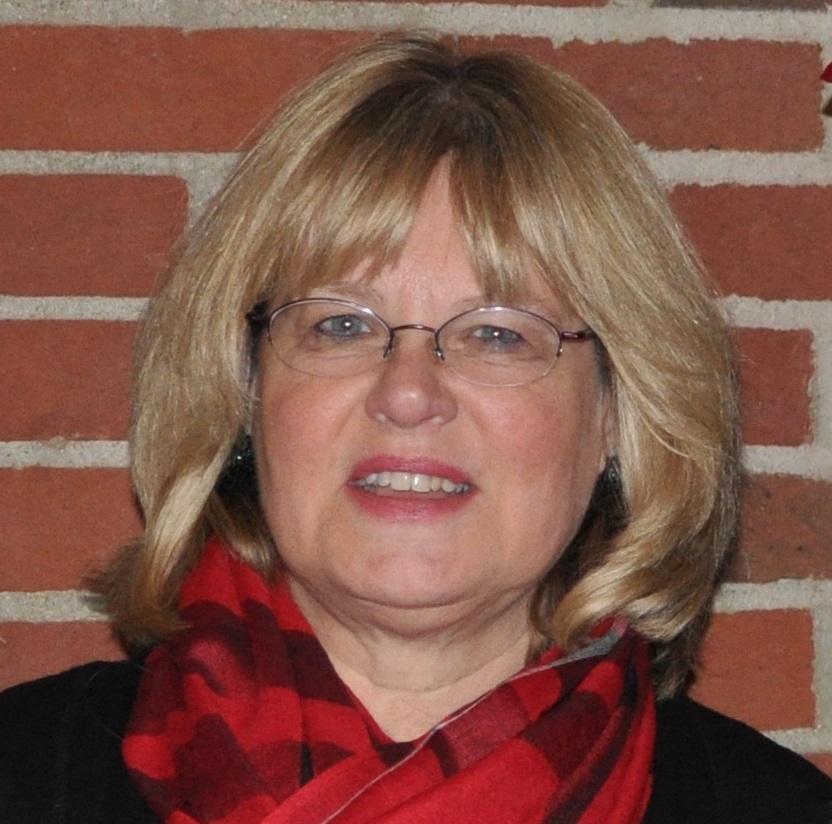
Peggy Jude
- Speaking / Presenting
- DNA
- Family History Research
- Tutor / Coach
- DNA
- Family History Research
- Methodology & Resources
- Technology
- Available for in-person events
- Available for virtual events
Peggy Jude has been conducting genealogical research for family and clients for over 40 years. She specializes in and teaches five areas of genealogical interest: DNA, genealogical technology, genealogical methodology, Swedish genealogy, and preserving family history and family heirlooms.
Peggy is a member of the Association of Professional Genealogists, the Genealogical Speakers Guild, NGS and multiple other genealogical societies. She has presented at genealogical societies and conferences across the US and Canada. She is an alumna of ProGen and has completed multiple advanced genealogical institutes at IGHR, SLIG, GRIP and Gen-Fed. She has been an instructor for the DNA Foundations course at IGHR from 2023-2025, for Legacy Family Tree Webinars and for Family Tree Magazine.
Peggy serves as Vice President and member of the Board for the Manatee Genealogical Society (FL) She leads both their Technology for Genealogy and DNA Special Interest Groups where she teaches monthly. Peggy holds a B.S. in Zoology from Iowa State University and an MBA from the University of Michigan.
Following a successful career as a global Human Resources executive for a Fortune 500 company, Peggy opened her genealogy business – Jude Family Research, centered on the West Coast of Florida.
Peggy has a website with her full course offering list at judefamilyresearch.com.
Sweden
Midwestern US
AI for Genealogy
DNA, Technical and Genealogical Presentations Include:
Genealogical:
- NEW – Introduction to AI For Genealogy – Did you know artificial intelligence (AI) has been around a surprisingly long time? Dive into the fascinating world where artificial intelligence meets family history! Discover how AI, including ChatGPT, is revolutionizing genealogy. Learn how to harness these powerful tools to summarize, extract, transcribe, and supercharge your research.
- NEW – AI For Genealogy Update – AI is changing rapidly. A presentation on AI from a year ago or even six months ago does not include the latest features and techniques. This presentation builds on a basic understanding of AI to demonstrate how to use the newest functions to maximize your research.
- Newspapers for Genealogical Research – The Facebook of Yesteryear - Uncover the stories of your ancestors! Learn techniques and tools to locate and leverage historical news articles to build a more complete and vivid family tree. Identify the multitude of items chronicled in print that can serve as keys to the past. This presentation will offer strategies for discovering and piecing together genealogical information from the rich tapestry of printed news.
- Highly Rated - Essential PC Tools – Learn all about keyboard shortcuts, tab consolidators, bookmarks, alternate keyboards, and text expanders in this practical session, which will speed up your research.
- Shaky Leaves and Hints – Using, Evaluating, Accepting, and Rejecting - Is that hint about your ancestor? Should you add it to your tree? How do you know? This session will provide tips on working with hints, evaluating those hints, and accepting or rejecting them.
- Genealogy for Busy People – 15 Minutes at a Time – How do you find time for genealogy? Get ideas on how to move your efforts forward in short increments. This session includes a handout with over 100 tasks you can accomplish in 15 minutes or less.
- Highly Rated - What to Do With Your Stuff - Planning for the Future of Your Genealogy and Artifacts – Every year, genealogical research, records, and heirlooms end up in the trash. This session provides ideas and strategies to ensure your research and treasures don't find the same fate.
- All About Your Name – A Look at Surnames - Topics covered include: the history of surnames, ways to learn more about yours, and those who share your name. Get tips on places to research your name, finding others on the same hunt, DNA options, and groups you can join.
- Continuing Your Genealogical Education – How, What, and Where? You want to learn more and expand your expertise into new areas; you need new ideas on where to go and what to do next. Join us to learn how to extend your genealogical education, what is out there, and how to find it.
- Think You Know the Census? Think Again! – Have you used the U.S. Federal Census effectively? Are you missing people on the census? Are you aware of alternative censuses or census substitutes for locating people?
- Using Online Sources for Your Genealogy – Are the answers to your research questions available online? How to effectively utilize the power of online sources to break down your brick walls. The focus will be on finding free and lesser-known resources.
- Using Podcasts to Expand Your Genealogical Knowledge – Transform your commute, walks, and waiting time into learning opportunities. Podcasts offer convenient, expert-led genealogical education you can access anywhere. This session covers the basics of podcasts, how to find them, and how they can accelerate your research skills while introducing you to new resources. The presentation will provide curated recommendations for the most valuable genealogy podcasts to follow.
- Fifteen For Free – How to do genealogical research for free. This session covers fifteen terrific options for finding your ancestors – for FREE.
- Highly Rated - What Can I Do With My DNA? 13 Things You Can Do With Your DNA – So you took a test, and you know your ethnicity. You are related to who you expected. Now what? Explore what you can do with your DNA, from the basics to more advanced options.
- Highly Rated – "DNA Tools – A Tour" - Dive into the world of DNA tools. We'll guide you through the six categories of DNA tools, outlining what they are and how they can support your research endeavors. From the essentials of basic match lists, relationship calculators, and connecting, to the more advanced functionalities of clustering, mapping, painting and phasing, this talk offers an overview of the options. Simplify your genealogical journey by gaining a clearer understanding of the DNA tools at your fingertips.
- New – “My Cousin Vinnie” – Three case studies in the use of DNA matches to identify ancestors. This presentation walks through real-world examples showing how DNA matches can reveal the identities of previously unknown ancestors. From a basic case to an advanced case this lecture offers something for everyone.
- Best for Beginners - DNA Basics – Getting a Solid Foundation – Learn the basics of inheritance, DNA testing, and terminology to get your DNA research off to a solid start. Learn about ethnicity, matches, and next steps after testing.
- New - DNA – Just Beyond the Basics - Adding to Your Solid Foundation – effective use of DNA can further your genealogical research. Building on the basics, this session will cover topics including working with your match list, determining how a match is related to you, prioritizing your matches, tools you can use to further your research, and the impact of endogamy and pedigree collapse on your DNA matches.
- DNA Painter – A Tour – DNA Painter is a website with a full set of tools to assist in your DNA research and more. Learn about the tools, trees, and analysis offered by this ever-expanding resource.
- Clustering – What is it and How to Do It – Grouping your DNA matches into clusters allows for brick wall breakthroughs. Learn how to develop clusters and the various tools available to help with the process.
- Clustering – What's Next – So you've done Clustering, and you have your Clusters… now what? Tips and techniques to work with your clusters to take your research to the next level.
- How is This Match Related to Me? – Learn about Match Triangulation and Segment Triangulation along with the Leeds Method to assist in identifying how matches are related to you and what line they belong to. Identifying and testing key relatives to assist with identifying your matches is also covered.
- Figuring Out a Mystery Match - How Am I Related to this Person? - Do you have a match that you don't recognize? With no idea how they are related to you? Using an actual case study, we present ten steps to figuring out who the match is and how you might be related.
- How to Upload Your DNA Data and Where to Upload It – Spreading your DNA around allows you to play in multiple pools of matches. Learn how to transfer your DNA data and what the benefits can be.
- GEDmatch – What is it and How do I Use it? Did you take a DNA test at 23andMe, but your cousin took a test at Ancestry? You cannot compare the two nor see the results for other cousins that test at MyHeritage, FamilyTreeDNA, or LivingDNA. GEDmatch allows you to look for DNA matches at other testing companies and expand the population you can compare to. In addition, GEDmatch has several DNA tools that are both helpful and fun. Learn about GEDmatch, what it is, and how to use it.
- Which Matches Do I Pursue? – With thousands of matches, where do you start? Learn the four rules to follow in determining which matches to pursue.
- How to Get Your Matches to Respond – Suggested techniques for getting your matches to respond to your inquiries. Topics include what to include in a note, how much to offer, how often to retry contact, and ways to keep track of your contacts.
- All About Segments – Identification of DNA segments by ancestor can help identify unknown matches. They can help focus your research and prioritize what matches to contact. Come join us and learn all about segments!
- DNAGedCom Step-by-Step – learn about the DNAGedcom tool and how it can assist you in your research.
- Ethnicity Information from the Testing Companies – Should you wear lederhosen or a kilt? Learn about the good, the bad, and the helpful aspects of the ethnicity information provided by the testing companies.
- Keeping Track of Your Matches – With the average DNA test kit having over 20,000 matches, keeping track of your matches without a strategy is impossible. This lecture covers using the tools provided by the testing companies, developing your own tools, and a review of third-party tools of interest, plus tips to jump-start your tracking.
- Why are 2nd Cousins Genetic Genealogy Gold? – Learn why 2nd cousins are the keys to your DNA research. Using 2nd cousins as north stars, you can easily sort your matches and sift through the thousands of match relationships.
- Introduction to DNA/DNA 101 – One-hour introduction to DNA. It covers the types of tests, basic inheritance of DNA, the DNA testing companies, identifying your research question, and how to start your research using DNA.
Other Areas of Expertise include: Swedish Records and Research, Midwestern Research, The Genealogical Proof Standard, US Federal Census, State Census, Genealogical Technology and Using Technology in Your Genealogy, Google Photos, Family Tree Maker, Evernote, Zotero, Airtable.
- 20th Century
- 19th Century
- 18th Century
ProGen 44
ProGen 44
Genealogical Speakers Guild
BS Zoology, Iowa State University
MBA, The University of Michigan